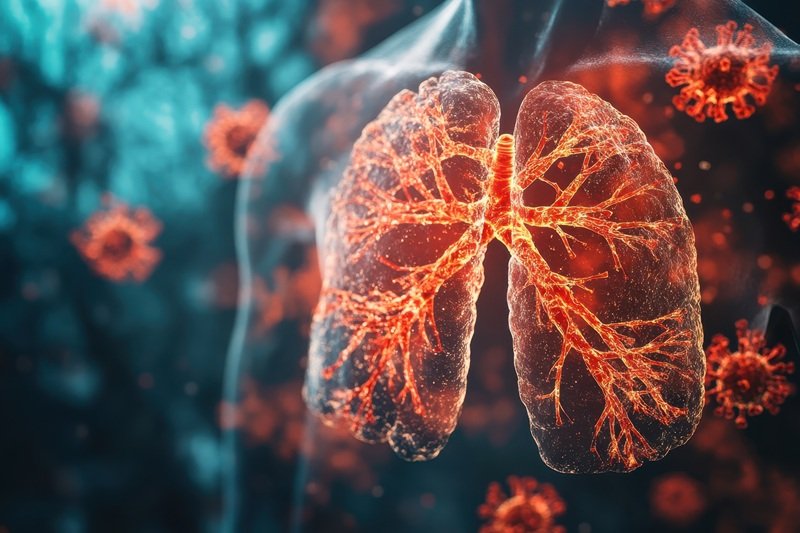

How Can You Reduce Your Risk of Lung Cancer?
Lung cancer claims more lives than any other cancer, yet simple changes can cut your odds dramatically. Quitting tobacco slashes risk significantly as time goes by, and avoiding radon and pollutants adds protection.
In this article, we explore proven ways to safeguard your lungs against this threat. These steps target the main causes, leading to measurable drops in cancer rates among those who follow them.
Always Consider Screening
Low-dose CT scans spot tumours early in high-risk groups, like those aged 50-80 with 20-pack-year smoking histories. Annual screens reduce mortality by 20% in eligible people. Your family GP or private oncologist can advise whether screening is right for you, as the radiation involved is minimal, around one-tenth of a regular CT scan. Eligibility hinges on current or recent quitting.
Qualified individuals can gain years through timely intervention, as stage 1 detection yields 90% survival. Discuss your family history or radon exposure to refine your case. Guidelines evolve with trial data for broader access to screenings and treatment.
Avoid Tobacco Use
Tobacco smoke contains over 60 different toxic substances, many of which damage lung cells and spark cancer growth. Smoking is responsible for approximately 7 out of 10 cases of lung cancer, with smokers facing 15 to 30 times the risk of non-smokers. Even occasional use raises the chances. Secondhand smoke exposes you to the same toxins through the air, increasing risk by 20-30% for non-smokers living with smokers. Quitting reverses much of this harm, as lung tissue repairs itself gradually.
After one year without cigarettes, your excess heart disease risk halves, and lung cancer odds start to fall. 10 years after quitting, former smokers can see 30-50% lower lung cancer rates than those who continue to smoke. Resources like NHS Smokefree helplines or apps provide nicotine replacement therapy and counselling to ease the process.
Test for Radon
Radon gas (a naturally occurring, radioactive gas that is invisible, odourless, and tasteless that emits alpha particles that damage lung cells when inhaled) seeps from soil into buildings, breaking down into particles that stick to lung linings and emit radiation. It causes between 1,000 and 2,000 lung cancer deaths yearly in the UK, second only to smoking. Smokers exposed to high levels face 10 times the risk of non-smokers in similar spots. Home test kits, available for under £20, detect levels above the safe 200 Bq/m3 (roughly 5.4 pCi/L) threshold.
Suppose tests show elevated radon levels, seal cracks in foundations, and install ventilation systems to vent gas outdoors. These fixes cut indoor levels by up to 99%, directly lowering inhalation risks. Annual retesting ensures ongoing safety, especially in cellars or ground floors. Proper mitigation prevents thousands of preventable cases each year.
Minimize Workplace Hazards
Jobs in mining, construction, or manufacturing often expose workers to asbestos, arsenic, diesel exhaust, or silica dust. An estimated 13,500 cancer cases and 8,000 cancer deaths each year in the UK are caused by historical workplace exposures, with construction workers most heavily affected. Regulations require masks, ventilation, and monitoring in high-risk sites. Workers who follow these cut their exposure and related illnesses.
Even low levels build up, so request air quality reports from employers and use the provided gear without fail. Quitting smoking amplifies protection, as tobacco triples the effect of these hazards.
Adopt a Healthy Diet
Fruits, vegetables, and whole grains deliver antioxidants that shield lung cells from smoke or pollution damage. Diets rich in beta-carotene from carrots or leafy greens are said to lower lung cancer odds, even in ex-smokers. High-fibre intake cuts inflammation that fuels tumour growth. Smokers, however, gain no benefit from beta-carotene supplements, which instead raise risk.
Aim for several portions of produce per day, favoring cruciferous types like broccoli that contain cancer-fighting sulforaphane. Whole grains stabilize blood sugar, reducing chronic stress on the lungs. This pattern lowers overall cancer risk by supporting DNA repair mechanisms.
Exercise Regularly
Regular movement boosts lung capacity and clears airways, flushing out irritants before they cause harm. Studies tie 150 weekly minutes of brisk walking or cycling to a 20-30% reduced lung cancer risk, strongest in former smokers. Strength exercises twice weekly build respiratory muscles. Sedentary habits double the odds compared to active peers.
Active lungs process oxygen more effectively, reducing oxidative stress that damages cells. Ex-smokers who exercise see a faster risk decline than inactive ones. This habit also eases symptoms if cancer develops early.
Limit Alcohol Intake
Heavy drinking irritates the lung linings and impairs immune defences against carcinogens. More than two daily drinks for men or one for women raises lung cancer risk by 20-50%, especially with smoking. People with alcohol dependence face compounded effects from poor nutrition. Moderation keeps these pathways intact.
Cutting back to occasional use preserves liver function, which detoxifies airborne toxins. This shift prevents the synergy where alcohol amplifies tobacco’s harm by 2-3 times.
Conclusion
Lung cancer prevention starts with eliminating tobacco exposure, then builds layers of defence through radon testing in homes, adherence to workplace safety rules for hazards such as asbestos, and consistent daily choices, such as a vegetable-rich diet and regular aerobic exercise. These steps interact to create stronger protection. Quitting smoking alone halves heart disease risk within a year, with public health data from the NHS and CDC confirming that people who combine these habits see lung cancer rates fall by up to 50% over a decade compared to those who ignore even one factor.
Families benefit too when everyone avoids secondhand smoke, and tests shared living spaces, cutting collective exposure by 20-30%. Emerging research points to clinical trials for high-risk groups, where early interventions like low-dose CT scans boost survival to 90% for stage 1 detections. Consistent application across these areas transforms statistical risks into manageable outcomes over time.
